
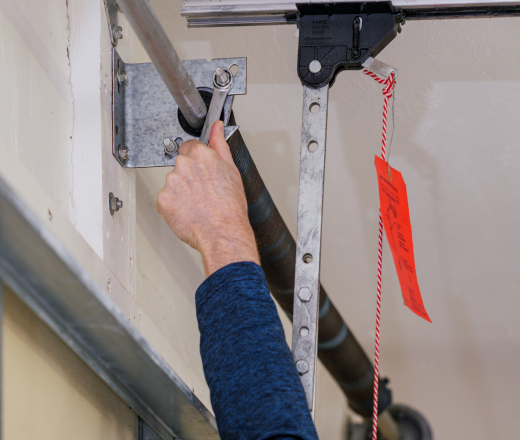
Most homeowners never think about their garage door springs until one breaks. The door stops moving, feels unusually heavy, or you hear a loud snap from inside the garage that instantly gets your attention. At that moment, it can feel sudden and unpredictable. But in reality, spring failure is almost always the result of gradual wear that has been building for years.
Garage door springs are not random mechanical parts. They are engineered components designed with specific performance limits. Every spring is manufactured to handle a certain number of open and close cycles. Once that limit is reached, the metal begins to weaken, tension decreases, and garage door spring replacement becomes unavoidable. The breakdown may seem abrupt, but the process behind it is slow and measurable.
What makes this topic so important is that spring lifespan is not a mystery. It is directly tied to cycle ratings, daily usage, and environmental conditions. When you understand how these factors work together, you gain insight into when replacement is likely to be needed. Instead of reacting to a sudden failure, you can recognize patterns, notice early warning signs, and plan ahead.
Understanding cycle ratings and lifespan gives you control over your garage door system. It helps you avoid unexpected inconvenience, prevent unnecessary strain on your opener, and maintain safe, balanced operation. In the sections that follow, we will break down what cycle ratings actually mean, how they translate into real-world years of use, why springs wear out before their advertised limits, and how this knowledge helps you make smarter decisions about garage door spring replacement.
What Is a Cycle Rating in Garage Door Springs?
A cycle is defined as one full opening and one full closing of your garage door. Each time the door goes up and comes back down, that counts as a single cycle. Garage door springs are manufactured and tested to withstand a specific number of these cycles before the metal begins to fatigue and fail.
Most standard residential garage door springs are rated for approximately 10,000 cycles. Higher quality or upgraded springs may be rated for 20,000, 25,000, or even 30,000 cycles. These ratings represent the estimated lifespan of the spring under normal operating conditions.
Cycle ratings matter because they provide a measurable expectation. Garage door spring replacement is not random. It is directly tied to how many times the door has been used. When you understand this, spring failure becomes predictable rather than surprising.
It is important to remember that cycle ratings are based on controlled testing conditions. In real-world settings, factors such as daily usage habits, weather exposure, door weight, and maintenance levels can influence how closely a spring reaches its rated limit. Knowing the cycle rating gives you a baseline, but understanding how your specific household uses the garage door helps you better anticipate when replacement may be needed.
How Cycle Ratings Translate to Real-Life Lifespan
A 10,000 cycle rating may sound like a lot, but the true lifespan depends on daily use. The more frequently you use your garage door, the faster those cycles are consumed.
If your garage door opens and closes twice per day, you are using about 730 cycles per year. At that rate, a 10,000 cycle spring could last roughly 13 to 14 years. However, many households use their garage as the primary entry point.
If the door operates six times per day, that equals more than 2,000 cycles annually. At this rate, a 10,000 cycle spring may only last about five years. With ten cycles per day, lifespan shortens even further.
This is why two homes with identical garage doors may experience garage door spring replacement at very different times. Usage patterns play a major role in determining lifespan.
Why Garage Door Springs Wear Out Before the Rated Cycle Limit
Cycle ratings are based on ideal laboratory conditions. Real-world environments are rarely ideal. Several external factors reduce actual lifespan below the advertised rating.
Temperature changes affect metal strength. Springs expand in warm temperatures and contract in cold temperatures. Over time, this repeated expansion and contraction weakens the metal. Cold weather in particular can make springs more brittle, increasing the likelihood of sudden failure.
Humidity introduces another challenge. Moisture leads to rust and corrosion. Even minor surface rust increases friction during operation. Increased friction accelerates wear and reduces the total number of cycles a spring can handle.
Improper installation or incorrect spring sizing also affects longevity. If a spring is not properly matched to the weight of the garage door, it may operate under constant strain. That strain shortens lifespan and leads to earlier garage door spring replacement.
The Science Behind Spring Fatigue
Garage door springs operate under continuous tension. Each time the door opens, the spring winds and stores energy. When the door closes, the spring unwinds and releases that energy. This repeated motion gradually weakens the steel.
This process is known as metal fatigue. Microscopic cracks form within the metal structure as it bends and flexes. These cracks grow over time until the spring can no longer maintain its structural integrity.
From the outside, springs often look fine right up until the moment they break. Internally, however, the metal may have been weakening for months or even years. This is why garage door spring replacement often feels sudden even though the wear has been gradual.
Standard vs High-Cycle Springs: What’s the Difference?
Not all garage door springs are created equal. Standard springs are typically rated for about 10,000 cycles. High-cycle springs are engineered to last significantly longer.
High-cycle springs often use thicker wire or longer coil lengths. These design adjustments distribute stress more evenly across the spring, allowing it to endure more cycles before fatigue sets in. For households with frequent daily use, upgrading to high-cycle springs can extend lifespan considerably.
Choosing between standard and high-cycle springs depends largely on usage patterns. If your garage serves as your main entrance and operates multiple times per day, a high-cycle spring may reduce how often garage door spring replacement is needed over the life of your home.
How Professionals Determine the Correct Spring for Replacement
Garage door spring replacement is not a one-size-fits-all process. Springs must be carefully matched to the specific door they are lifting.
Professionals calculate the correct spring based on the weight of the garage door, the height of the door, the track system, and expected daily usage. Even small miscalculations can lead to imbalance, excessive strain, or reduced lifespan.
When the correct spring is installed and properly tensioned, the door operates smoothly and remains balanced at mid-position when lifted manually. Proper sizing ensures that the opener is not forced to compensate for weak or overly strong springs.
How Garage Door Spring Replacement Protects Your Entire System
Springs are the foundation of the entire garage door system. When they begin to weaken, every other component feels the strain. The opener works harder, cables experience uneven tension, rollers wear faster, and tracks can shift out of alignment.
Replacing springs at the right time does more than restore lifting power. It protects the motor from burnout, maintains proper cable tension, and keeps the door balanced during operation. Balanced doors move more smoothly and place less stress on hinges and hardware.
Garage door spring replacement also improves safety. A properly tensioned spring prevents the door from slamming shut unexpectedly and ensures that safety features such as auto reverse systems function correctly. When springs are worn, the entire system becomes less predictable.
By viewing spring replacement as preventative maintenance rather than emergency repair, homeowners extend the life of their entire garage door system.
Recognizing the Right Time to Plan Replacement
While exact timing varies, most homeowners can estimate when garage door spring replacement is approaching by considering age, usage, and visible wear.
If your springs are approaching the end of their rated cycle life, the door feels heavier, or you notice rust forming along the coils, it may be time to schedule an inspection. Acting early allows you to replace springs on your schedule instead of reacting to a sudden break.
Understanding the lifespan of your springs is the first step. Taking action with a trusted professional ensures the replacement is done safely and correctly.
Plan Your Garage Door Spring Replacement with a Team You Can Trust
Knowing when garage door spring replacement is needed helps you avoid unexpected breakdowns, but having the right team handle the job is just as important. At Maplewood Garage Door Service, we use accurate measurements, properly rated springs, and careful tensioning to ensure your door is balanced and built for long-term performance.
With more than 30 years of hands-on experience, our team focuses on safety, precision, and honest recommendations. Whether you need standard springs or want to upgrade to high-cycle options for extended lifespan, we make sure your garage door system is set up to operate smoothly and reliably.
If you are unsure how many cycles your current springs have left or you are noticing early signs of wear, scheduling an inspection now can prevent inconvenience later.
Maplewood Garage Door Service delivers dependable garage door spring replacement with the care and expertise your home deserves.