
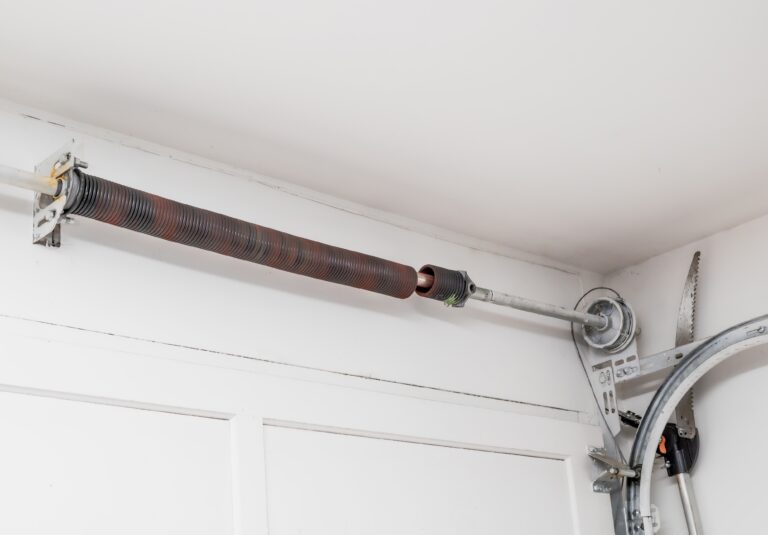
Using a garage door with a broken spring leads to serious damage, costly repairs, and real safety risks for anyone in your home. The springs do the heavy lifting, so once one snaps, every other part of the system has to take on weight it was never built to handle. In Huntsville, TX, where garage doors get used multiple times a day, ignoring a broken spring can quickly turn a simple fix into a full replacement. This guide walks you through what happens when you keep operating the door, the warning signs to watch for, and why professional garage door spring replacement is the safer route.
Why Garage Door Springs Matter More Than You Think
Most homeowners think of the opener as the part that lifts the door. The truth is, the springs do almost all of the work. A standard residential garage door can weigh anywhere from 130 to over 350 pounds, and the springs are what counterbalance that weight so the door moves smoothly. Without them, even a powerful opener would struggle to raise the door more than a few inches.
There are two main types of springs you’ll find on a residential setup. Torsion springs mount above the door and twist to store energy, and they’re known for smoother operation and longer lifespans. Extension springs run along the horizontal tracks on either side of the door and stretch as the door closes. Both types are rated by cycles, which means they’re built to handle a set number of openings before they wear out. Most standard springs are rated for around 10,000 cycles, which works out to roughly seven years of average use.
When one breaks, the balance of the entire system is thrown off. The opener, cables, pulleys, and tracks all start working harder than they should, and that’s when the damage adds up.
6 Things That Happen When You Operate a Garage Door With a Broken Spring
1. Your Opener Takes the Full Weight of the Door
Garage door openers are designed to guide the door, not lift it. With a broken spring, the motor suddenly has to pull the entire weight of the door on its own. Most openers aren’t built for that kind of load, so the gears strip, the motor burns out, or the chain snaps. What started as a spring issue can quickly turn into a full opener replacement, which adds hundreds of dollars to what should have been a simple repair.
2. The Door Can Slam Shut Without Warning
A working spring controls how the door lowers. Without that tension, gravity takes over. The door can come crashing down at full speed, which is dangerous for anyone standing nearby and damaging to the door itself. Hitting the floor at that speed often cracks panels and knocks the door out of alignment.
3. Cables and Pulleys Wear Out Faster
The cables and pulleys are designed to work alongside the springs, not in place of them. When the spring fails, the cables take on stress they weren’t built for. They fray, snap, or come loose from their drums. Pulleys can bend or break entirely, which leads to even more parts needing replacement. A snapped cable can also whip back with enough force to damage your vehicle or anything else stored in the garage.
4. Panels and Tracks Get Bent or Damaged
When a door operates without proper balance, it can come down crooked or get stuck partway. This puts uneven pressure on the panels and tracks. Panels can warp or dent, and tracks can bend out of alignment. Once that happens, you’re looking at section replacements or, in some cases, an entirely new door.
5. The Door Becomes a Safety Hazard for People and Pets
A garage door with a broken spring is unpredictable. It can close faster than expected, get stuck halfway, or fall completely off its tracks. Children and pets walking under the door are at the greatest risk. Garage door related injuries send thousands of people to the emergency room every year, and a broken spring is one of the most common causes.
6. Small Repairs Turn Into Full Replacements
What could have been a straightforward spring repair often becomes much more expensive when it’s left alone. A broken spring left in service for even a few days can damage the opener, cables, panels, and tracks all at once. Replacing one spring is far less involved than rebuilding multiple parts of the system.
Warning Signs Your Garage Door Spring Is Broken
You don’t always have to guess whether a spring is broken. Most damaged springs come with clear signs you can spot before the problem gets worse.
One of the most common is a loud bang from the garage. Springs often break with a sound like a gunshot or a heavy snap, so if you’ve heard one recently, there’s a good chance a spring let go. Another sign is when the door feels heavy or won’t open at all. If your opener is straining or the door barely lifts when you try to raise it manually, the spring is likely doing little to no work.
You can also check the torsion spring above the door for a visible gap. If you see a clear separation in what should be a tight coil, it’s broken. Pay attention to how the door moves as well. A door that lifts crooked or stops just a few inches above the floor often points to a spring failure on one side. Listen to your opener too. If it strains, reverses, or hums without lifting the door, it may be reacting to a spring that’s no longer doing its job. Some homeowners also notice that the door feels jerky on the way up or pauses before completing the cycle, which is another red flag worth taking seriously. If you notice any of these signs, stop using the door right away and call a professional.
Why Professional Garage Door Spring Replacement Is the Safer Choice
Garage door springs hold an enormous amount of tension, and replacing them without the right tools and training is one of the most dangerous DIY projects in any home. A spring that releases unexpectedly can cause serious injury, and improper installation can leave the door unbalanced or unsafe to operate. The job calls for specialty winding bars, proper torque measurements, and a careful understanding of how the spring interacts with the rest of the system.
A trained technician knows how to release that tension safely, install the correct spring for your door’s weight and cycle rating, and check the rest of the system for hidden damage. That last part matters because a broken spring rarely affects just the spring. A professional inspection often catches worn cables, loose hardware, or alignment issues that would otherwise turn into another service call within weeks.
At Maplewood Garage Door Service, our team brings more than 30 years of hands-on experience to every job in Huntsville and nearby areas. We use the right parts for your specific door, take the time to inspect the full system, and make sure everything is balanced and operating the way it should.
Schedule Your Garage Door Spring Replacement in Huntsville, TX
Don’t wait for a broken spring to take down the rest of your garage door system. Maplewood Garage Door Service is locally owned, family-run, and known for fair, transparent pricing across Huntsville and the surrounding area. With over 30 years of experience and deep roots in the community, we treat every home like it’s our own. Whether you’re dealing with a sudden break or noticing the early signs of wear, our team is ready to get your door working safely again.
Call us today to schedule your garage door spring replacement and get your door back to working safely.
Frequently Asked Questions
Can I still open my garage door manually if the spring is broken?
Technically yes, but it’s not recommended. Without the spring’s counterbalance, the door’s full weight rests on you. Lifting it manually can cause back injury, and the door can slam shut unexpectedly if you lose your grip.
How long can a garage door last with a broken spring?
Not long. Most openers begin showing signs of strain within a few uses, and cables or panels can fail within days. The longer you keep using the door, the more parts you’ll likely need to replace.
Is it dangerous to close a garage door with a broken spring?
Yes. A door without proper spring tension can close much faster than normal or fall off its tracks entirely. It poses a serious risk to anyone standing near or under the door.
How quickly should I replace a broken garage door spring?
As soon as possible. Stop using the door once you notice a problem and schedule a professional replacement right away. Quick action prevents damage to the opener, cables, and panels while keeping your household safe.