
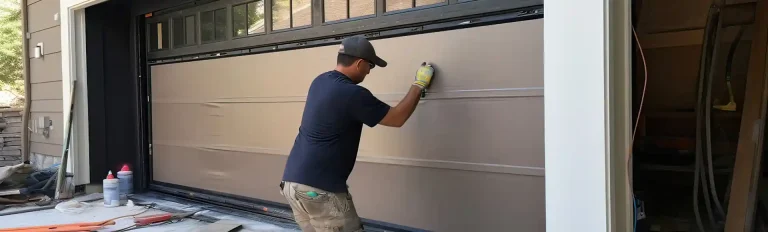
A garage door is one of the largest moving parts in your home, and when it operates smoothly, you barely notice it. It opens when you need it to, closes securely, and does its job quietly in the background. But when that same door starts squeaking, grinding, rattling, humming, or banging, it immediately demands your attention. The sound echoes through the garage and sometimes into the house itself. What was once a simple convenience suddenly feels like a problem waiting to happen.
Many homeowners delay garage door repair when noise first appears because the door still functions. It goes up. It comes down. Nothing seems urgent. But unusual sounds are rarely harmless. They are often the first warning that a component is wearing down, loosening, or falling out of alignment. Ignoring those early signals allows stress to build within the system. Over time, that stress leads to bigger repairs, unexpected breakdowns, and higher costs.
Garage doors operate under significant mechanical tension. Springs lift hundreds of pounds. Cables remain tightly wound. Rollers travel along steel tracks multiple times a day. Hinges flex repeatedly. When even one part begins to struggle, the entire system compensates. That compensation creates friction, vibration, and eventually noise. Sound is not the main issue. It is the symptom of something deeper.
Understanding the source of garage door noise gives you the power to respond early. Some issues can be corrected with routine maintenance. Others require professional garage door repair to prevent safety hazards or mechanical failure. Knowing the difference helps you protect your investment and maintain reliable operation.
This guide explains why garage doors become noisy, what the different sounds usually mean, what steps may help reduce minor issues, and when calling a professional is the smartest move.
Why Garage Doors Become Noisy Over Time
A garage door system depends on balance. The springs counteract the weight of the door so it can lift smoothly. The rollers glide along tracks to guide movement. The cables maintain tension and stability. The opener controls motion. When all components work together correctly, the door operates with minimal sound.
Over time, wear is inevitable. Friction between metal parts slowly increases. Bearings inside rollers degrade. Bolts loosen from constant vibration. Springs lose elasticity. Even normal daily use gradually reduces efficiency. Environmental conditions such as humidity, dust, and temperature swings accelerate deterioration.
As components wear, the system loses its smooth rhythm. Instead of gliding, parts begin rubbing. Instead of moving evenly, sections shift slightly. These small mechanical changes produce noise. A faint squeak may turn into a persistent grind. A slight rattle may grow louder with each cycle.
Noise is often the earliest and most noticeable sign that garage door repair may be needed.
What Different Noises Usually Mean
Not all garage door noise points to the same problem. The type of sound can provide important clues.
A high pitched squeal often suggests dry rollers or hinges. When lubrication breaks down, friction increases and produces that sharp sound. A grinding noise usually indicates worn roller bearings or track alignment problems. Rattling often results from loose hardware vibrating during operation.
A popping or cracking sound may come from springs under tension. Springs expand and contract with movement, and when they are dry or rusted, that motion creates noise. A loud bang is often associated with a broken spring, especially if the door suddenly stops working.
A steady humming from the opener without door movement suggests motor strain. This may occur if the springs are weak or if internal components within the opener are failing.
Listening carefully to when and how the noise occurs helps narrow down the potential cause.
Worn Rollers and Why They Get Loud
Rollers are small components, but they play a major role in smooth operation. They guide the door along its track during opening and closing. Many older garage doors use metal rollers, which naturally become louder as they age. The bearings inside wear down, creating grinding or rattling sounds.
Nylon rollers operate more quietly, but they also degrade over time. As material wears, stability decreases and vibration increases. When rollers are worn, the door may not travel evenly. This uneven movement contributes to additional stress on other components.
Replacing worn rollers is a common garage door repair that significantly reduces noise and improves performance.
Loose Hardware and Vibration
Garage doors move up and down several times per day. That constant motion produces vibration throughout the system. Over months and years, bolts, brackets, and fasteners gradually loosen.
Even minor looseness can create noticeable rattling. When panels shift slightly during movement, the sound can echo through the garage. Tightening hardware often eliminates this noise quickly, but it must be done carefully to avoid overtightening and damaging parts.
Routine inspections help identify loose components before vibration leads to more serious alignment issues.
Springs and the Role of Tension
Garage door springs carry most of the door’s weight. They operate under heavy tension and must maintain balance for safe lifting. When springs become dry, rusted, or worn, they create creaking or popping sounds.
Spring noise is particularly important to monitor because springs are critical safety components. If a spring weakens significantly, it may snap. When that happens, the door becomes extremely heavy and difficult to lift.
Professional garage door repair involving springs requires proper tools and expertise. Springs under tension can cause injury if handled incorrectly.
Track Alignment Problems
Tracks guide rollers during movement. If tracks shift out of alignment, rollers may rub against the sides rather than glide smoothly. This produces scraping or grinding sounds.
Misalignment can result from accidental impact, loose mounting brackets, or long term vibration. Over time, improper alignment increases wear on rollers and cables. If ignored, it can eventually cause the door to derail.
Correcting track alignment restores smooth travel and prevents further damage.
The Garage Door Opener and Noise
Not all noise originates from the door itself. The opener plays a role as well. Chain drive openers are typically louder by design. However, excessive grinding, vibration, or shaking may signal internal wear.
If the opener hums but the door does not move, spring imbalance may be forcing the motor to strain. This can shorten motor lifespan and lead to premature failure.
Upgrading to a belt drive opener often reduces operational noise significantly. Belt systems operate more smoothly and with less vibration.
Basic Maintenance Steps That May Help
Some minor noise issues can be improved with simple maintenance. Tightening loose hardware reduces rattling. Lubricating rollers, hinges, and springs decreases friction. Cleaning debris from tracks allows smoother travel.
These steps are helpful for routine upkeep, but they do not replace professional garage door repair when structural imbalance or worn components are involved.
If noise continues after basic maintenance, it is time for a more thorough inspection.
Why Ignoring Noise Leads to Bigger Problems
Noise rarely stays the same. What begins as a squeak often develops into grinding or shaking. Friction increases stress on springs and cables. The opener works harder to compensate. Over time, that added strain leads to failure.
Repairing a worn roller is far less costly than replacing a burned out opener motor. Adjusting spring tension early is safer than dealing with a snapped spring later.
Addressing noise promptly protects your entire garage door system.
The Value of Professional Garage Door Repair
Professional garage door repair goes beyond surface adjustments. A trained technician evaluates the entire system for balance, tension, and alignment. Springs are measured. Door weight is assessed. Rollers, hinges, cables, and tracks are inspected carefully.
Identifying the root cause prevents repeat problems. Rather than silencing the noise temporarily, professional repair restores proper mechanical balance.
When a door is balanced correctly, it moves quietly, places less strain on the opener, and operates more safely.
Preventing Future Noise Issues
Regular maintenance is key to preventing noisy operation. Annual inspections catch worn components before they fail. Lubrication reduces friction and extends lifespan. Upgrading outdated rollers or openers improves performance.
Preventative care reduces the likelihood of emergency garage door repair and keeps your system functioning reliably year after year.
Restore Quiet and Reliable Operation
A noisy garage door is not something to ignore. It is your system’s way of signaling that something needs attention. Whether the issue stems from worn rollers, loose hardware, aging springs, track misalignment, or opener strain, early action prevents larger problems.
At Maplewood Garage Door Service, we understand how frustrating and disruptive a loud garage door can be. With more than 30 years of hands-on experience, our team specializes in accurate diagnostics and dependable garage door repair. We carefully inspect every component, identify the true cause of the noise, and restore smooth, balanced operation.
Our focus is not temporary fixes. We provide long term solutions that improve safety, performance, and reliability. From roller replacement to spring adjustments and opener inspections, we ensure your garage door operates quietly and confidently.
If your garage door has become louder than usual, do not wait for the problem to escalate. Professional garage door repair protects your investment and keeps your home secure.
Call Maplewood Garage Door Service today to schedule your inspection. Let our experienced team bring quiet, smooth performance back to your garage door.